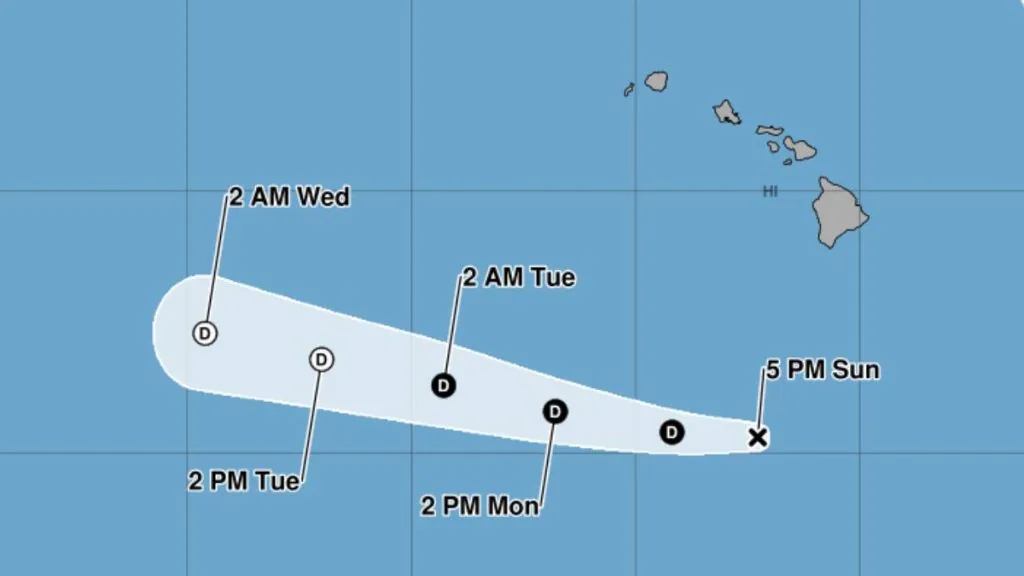
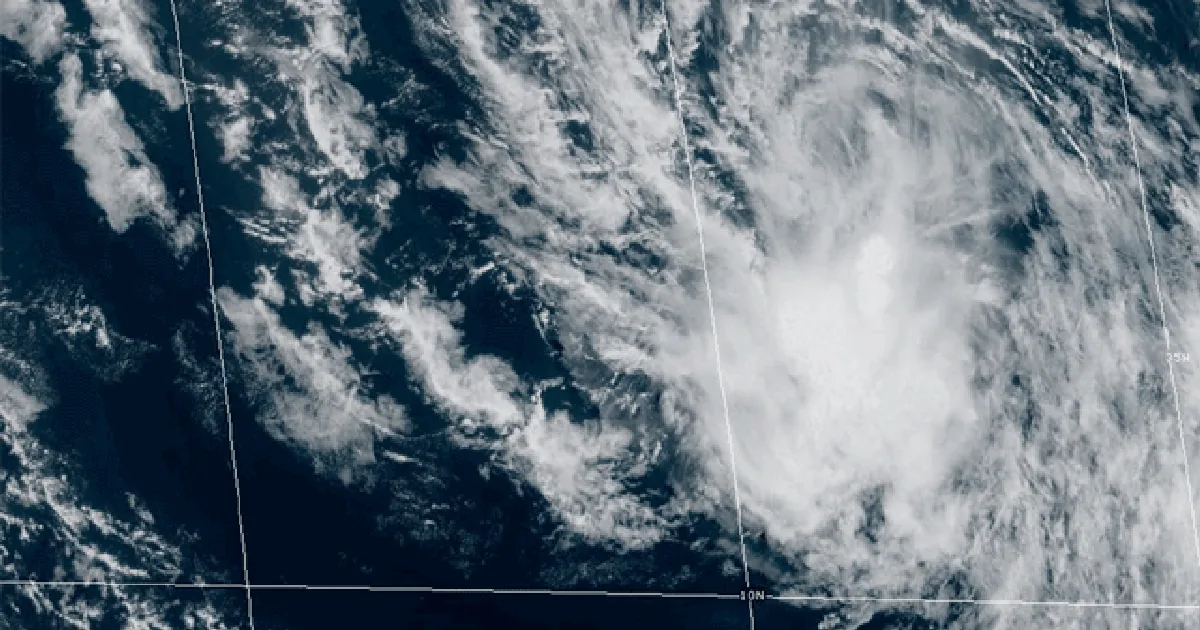
HOUSTON, TX — Tropical Storm Dolly formed Thursday in the Atlantic Ocean, according to the National Hurricane Center. As of the latest advisory, the storm was spinning in the central Atlantic about 1,555 miles east of the Leeward Islands.
Dolly is moving west at more than 20 mph, keeping it well away from the Caribbean for now. Forecasters say the system is not expected to affect Texas.
What the latest advisory says
The National Hurricane Center described Dolly as the fourth named storm of the 2026 Atlantic hurricane season. Its current position places it over open water, with no immediate land threat reported in the advisory.
The storm’s forward speed is notable because it is moving faster than many tropical systems, but speed alone does not tell forecasters how strong it will become. What matters next is whether the storm finds conditions that help it organize or weaken as it travels west.
For now, the important detail for Gulf Coast readers is that Texas is not in the forecast impact area. That can change if track or strength forecasts shift, but there is no Texas threat stated in the current information.
Why the name Dolly is drawing attention
The storm’s name is getting extra notice because it came shortly after the death of country music legend Dolly Parton this week. Even so, officials say the naming was a coincidence.
The World Meteorological Organization manages the seasonal storm name lists, and those names are reused every six years. This year’s Atlantic list already includes the next three names: Edouard, Fay and Gonzalo.
That naming system is why storm names can feel familiar from one year to the next. The list is alphabetical, and names are assigned in order as storms form during the season.
What to watch next
Dolly is still far from the United States, but Atlantic storms can change quickly depending on steering currents, ocean temperatures and atmospheric conditions. The National Hurricane Center will continue updating its forecast track and intensity outlook.
For now, the key facts are simple: Dolly has formed, it is moving west across the central Atlantic, and it is not expected to bring impacts to Texas. Residents along the Atlantic and Gulf coasts should still keep an eye on forecast updates as the season continues.
When the weather turns dangerous, SVH Snow is watching.