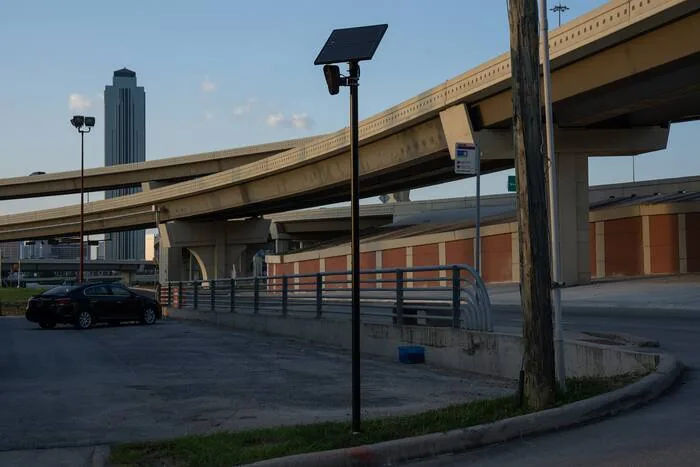
LAREDO, TX — Laredo will ask voters whether the city should keep paying to operate 165 Flock surveillance cameras after state funding for the system was cut off. The City Council voted 7-2 Monday night to place a nonbinding referendum on the May ballot, delaying a decision that local leaders say has become unavoidable.
Mayor Victor Treviño said the funding pause changed the circumstances for the city, which had relied on state money to help support the program. He argued that if taxpayers may be expected to fund the full system, the city’s 272,000 residents should have a chance to weigh in before officials commit to the expense.
Texas agencies shut off more than 900 cameras after the grant freeze
At least 14 cities and counties have turned off more than 900 Flock cameras since state support was rescinded in late August, and more local governments are expected to decide in the coming weeks. Some larger cities, including Houston and Dallas, shut off cameras tied to the grants while keeping much of their networks active.
Others went further. Plano, Robinson and Kendall County ended their Flock contracts altogether. In many places, officials are waiting for clearer guidance on how long the funding freeze will last before deciding whether to keep paying on their own.
Abbott’s office did not respond to requests for comment about what local governments should do next. That silence has added to the uncertainty for cities that must now decide whether to absorb the cost or scale back the technology.
Privacy fight and police support shape the debate over the cameras
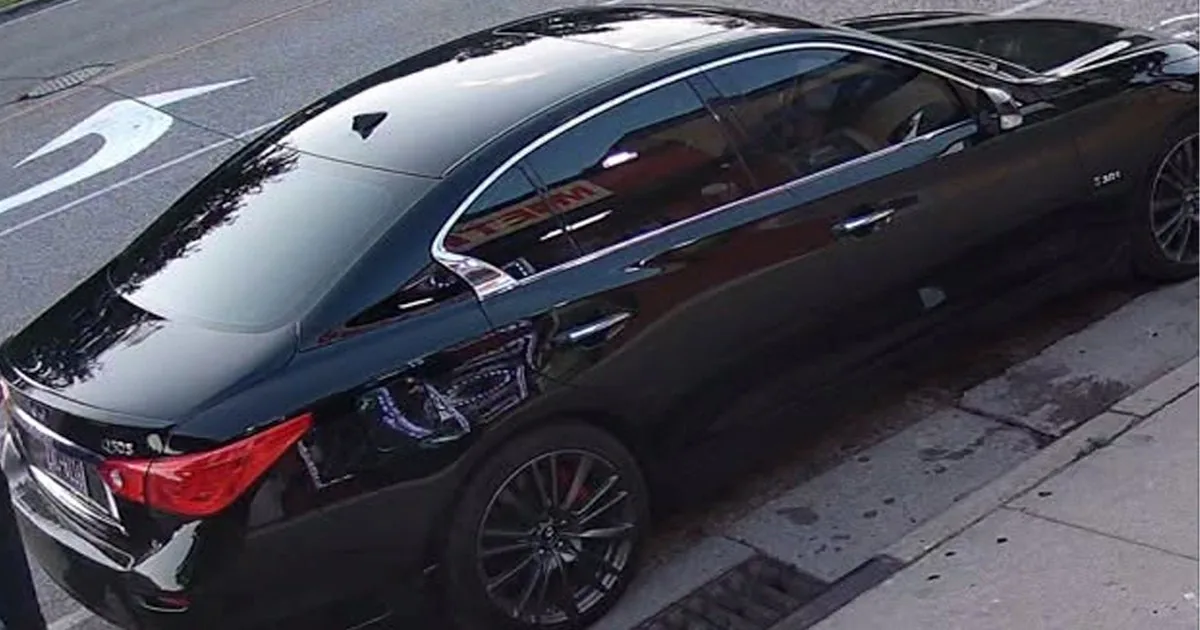
Flock cameras and other automated license plate readers have drawn intense criticism from privacy advocates, who say the systems scan passing vehicles and build databases that can be searched by law enforcement across the country. The devices collect license plate numbers and other identifying details, including a vehicle’s make, model, paint color, dents and bumper stickers.
Police leaders argue the systems help identify suspects, track stolen vehicles and find missing people far faster than officers could do manually. College Station Police Chief Billy Couch told City Council members that a traditional police response could not match what the system is already doing.
Critics, though, warn that the technology can create a broad surveillance network and say police databases have been misused through improper searches. That clash has made council meetings across Texas increasingly tense as elected officials weigh public safety against privacy concerns.
Laredo, Kyle and College Station keep cameras while asking more questions
In Laredo, the city has already received full state help for installation costs on its 165 cameras, according to a police department spokesperson. The Texas Tribune reported that the state vehicle crime authority had previously backed more than $30 million in grants for Flock systems statewide, with money once scheduled to continue into 2027.
Kyle, south of Austin, voted 6-1 on Sept. 5 to keep its contract even though it has not received a $205,000 grant for 2026, including $80,000 for 32 cameras. Mayor Yvonne Flores-Cale said the city has not had complaints or misuse and questioned what alternative would replace the system if it were removed.
College Station also voted to continue its two contracts for another year after emotional public testimony. The city had been awarded a $300,000 grant to cover most of its cameras in fiscal year 2026, but none of that money has been reimbursed so far.
Some city leaders say the freeze is creating budget havoc
Smaller departments have been hit especially hard because the state grants are structured as reimbursements. Schertz Assistant Police Chief Phillip Waller said the lack of clarity over whether the freeze is temporary or permanent is causing “major havoc” as officials try to plan around tens of thousands of dollars in costs.
Waller said departments were told to expect reimbursement and are now being left to carry the expense themselves. He told city officials that the hit can be significant whether a government is large or small, especially when it has already committed money in an active contract.
That financial strain has led some councils to hold off on making permanent changes while current agreements are still in place. In Addison, council members debated whether the pause was temporary or indefinite as they considered the loss of support on a $260,000 Flock contract.
Local councils are asking who can see the data and how it is used
Beyond funding, recent debates have centered on who may access the data generated by the cameras. In Pflugerville and Hutto, local leaders ended their Flock agreements after learning how widely other agencies could reach the information.
A records request from a Pflugerville resident found that hundreds of agencies across the United States had used the city’s Flock data. That revelation helped fuel a broader backlash and led some departments to tighten access rules for their vehicle data.
The Texas Department of Public Safety has also restricted access after an analysis found more than 2,800 agencies had repeatedly used its network of more than 900 cameras without signing agreements the department said were required. Even where the cameras remain, agencies are now spending more time explaining how the systems work and what limits exist on their use.
When the weather turns dangerous, SVH Snow is watching.