
KENILWORTH, NJ — Residents in Kenilworth are organizing against construction of a $1.8 billion hyperscale artificial intelligence data center being built by cloud computing company CoreWeave. Community members have taken to the streets to voice concern that the project will bring heavier electricity demand, higher water use, more noise, and added pollution to the borough.
The opposition has turned into a visible local fight as the building work continues. Neighbors say they fear the data center will change the character of the area they live in, even as the AI industry expands and more communities confront similar projects. Local business leaders say the concerns are being overstated.
Neighbors worry the project will strain electricity and water supplies
The biggest objections center on what the facility may require once it is operating. Residents have pointed to electricity consumption and water usage as major issues, saying a large-scale AI data center could place new pressure on local resources.
Noise and pollution are also part of the complaint. For many opponents, the project is not just about one building but about the cumulative effect of a major industrial development arriving in a small borough. They say the pace and size of the project have left them fearful that the neighborhood they know could be altered in lasting ways.
Those concerns have helped fuel the public pushback, with residents making their objections known as construction moves ahead.
CoreWeave’s $1.8 billion hyperscale AI campus is under construction
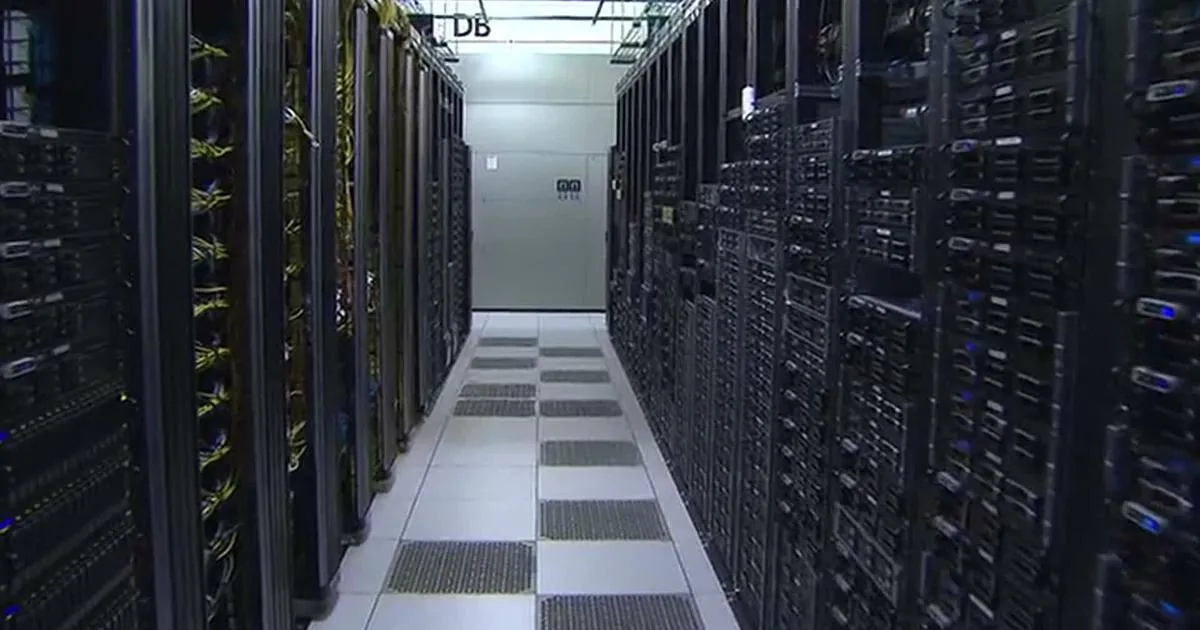
The facility at the center of the dispute is described as a hyperscale AI data center and carries a price tag of $1.8 billion. It is being developed by CoreWeave, a cloud computing company that has become part of the broader AI infrastructure buildout.
Hyperscale data centers are designed to support large amounts of computing power, which is one reason they can demand substantial utility resources. That scale is also what makes them controversial in communities where residents worry about the impact on land use, infrastructure, and quality of life.
In Kenilworth, the construction itself has become a symbol of the larger national debate over where AI facilities belong and who gets a say in deciding that.
Business leaders say New Jersey permitting is addressing the concerns
Not everyone in the borough sees the project as a threat. Local business leaders say the worries are being blown out of proportion and that New Jersey’s permitting process is designed to deal with issues like the ones residents are raising.
That response reflects a familiar tension in development debates: neighbors often want clearer assurances about day-to-day impacts, while supporters argue that environmental and operational questions are already handled through state review.
Supporters say the permitting system should provide the checks needed to keep a project within accepted rules. Opponents counter that even with approvals in place, the scale of the data center still poses risks that will be felt locally.
Kenilworth’s fight mirrors resistance seen across the country
The dispute in Kenilworth is part of a much larger pattern. Across the United States, communities have been pushing back as AI-related data centers spread and as residents question whether the benefits outweigh the costs.
In many of those places, local people say they are not being heard as the industry advances. The conflict in New Jersey shows how that frustration can surface when a major facility is planned near homes, schools, and small business districts.
What is happening in Kenilworth is not happening in isolation. It reflects a national conversation about how fast AI infrastructure is growing and how much influence nearby communities should have over that growth.
Experts say communities can shape data centers to serve local needs
Along with the opposition, the story points to a broader question about how data centers can fit into places where people live and work. Experts say communities can make these projects work for them if planning, oversight, and local priorities are aligned.
That means the debate is not only about stopping or approving a project. It is also about what conditions a town or borough can require so that a large facility does not overwhelm nearby residents while still meeting regional economic and technological goals.
For Kenilworth, the current fight has become a test of whether a small community can have a meaningful role in shaping a project of this size.
A local battle with national implications for the AI boom
As construction continues, both sides appear to be using the Kenilworth project to make a wider point. Residents see a neighborhood threatened by a massive industrial buildout. Supporters see a permitted development that fits into a changing economy.
The outcome matters beyond one borough because it offers another example of how Americans are responding to the physical footprint of artificial intelligence. The debate over power, water, noise, and pollution is likely to follow similar projects wherever they are proposed.
In Kenilworth, that larger argument is being played out one rally at a time, with residents determined to make their concerns heard before the neighborhood changes any further.
When the weather turns dangerous, SVH Snow is watching.