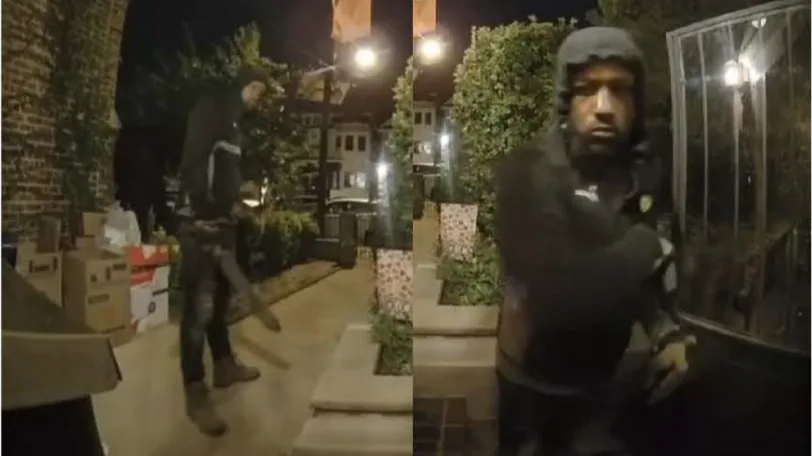
MIDDLE RIVER, MD — A new Maryland law aimed at fraudulent rental paperwork took effect Oct. 1, days after a Baltimore County homeowner said he paid thousands of dollars in a cash-for-keys deal to regain control of an Essex property.
The timing put a fresh spotlight on one of the central issues in squatting disputes across the state: whether a person claiming to live in a home can show a lease, and whether that document is real. Baltimore County police had previously described the occupant in the Essex house as a squatter, and the case drew repeated questions about why officers did not immediately remove him.
The new statute makes counterfeiting a real estate lease with intent to defraud a felony punishable by up to 10 years in prison. It also allows criminal charges for knowingly possessing a counterfeit lease with fraudulent intent.
Owner says thousands were paid to end the Essex dispute
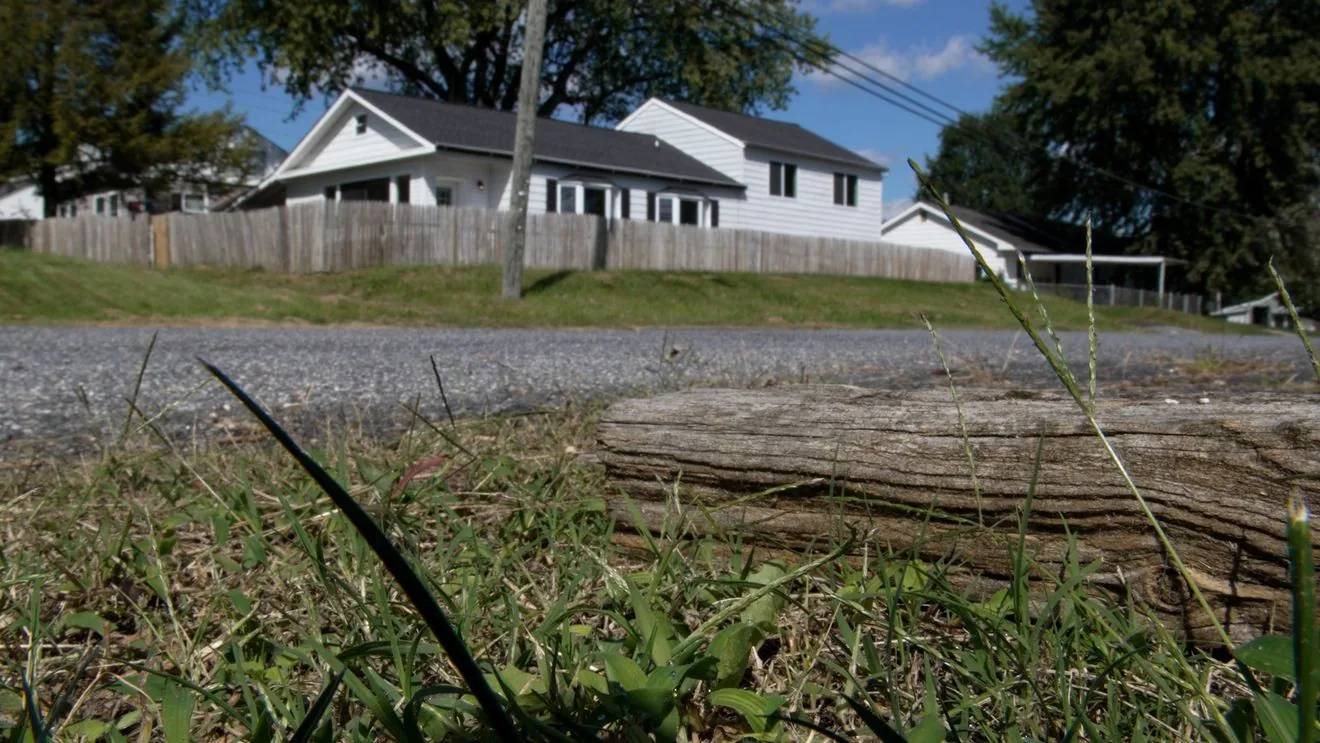
The property owner at Armor Court told Spotlight on Maryland that he eventually paid the occupants thousands of dollars to leave. That approach, commonly called cash for keys, gave him a way to recover the home after weeks of scrutiny and public debate.
Neighbors had been asking how the situation could continue for so long. John Callick, who lives nearby, said during the earlier investigation that he did not understand how someone could keep doing it without facing consequences. He also questioned why the person involved was not in jail.
The case became a local example of how hard it can be for owners to take back control when an occupant presents paperwork that appears to support staying in the home. In this dispute, the owner said the lease was fake.
How Maryland lawmakers framed the new criminal penalties
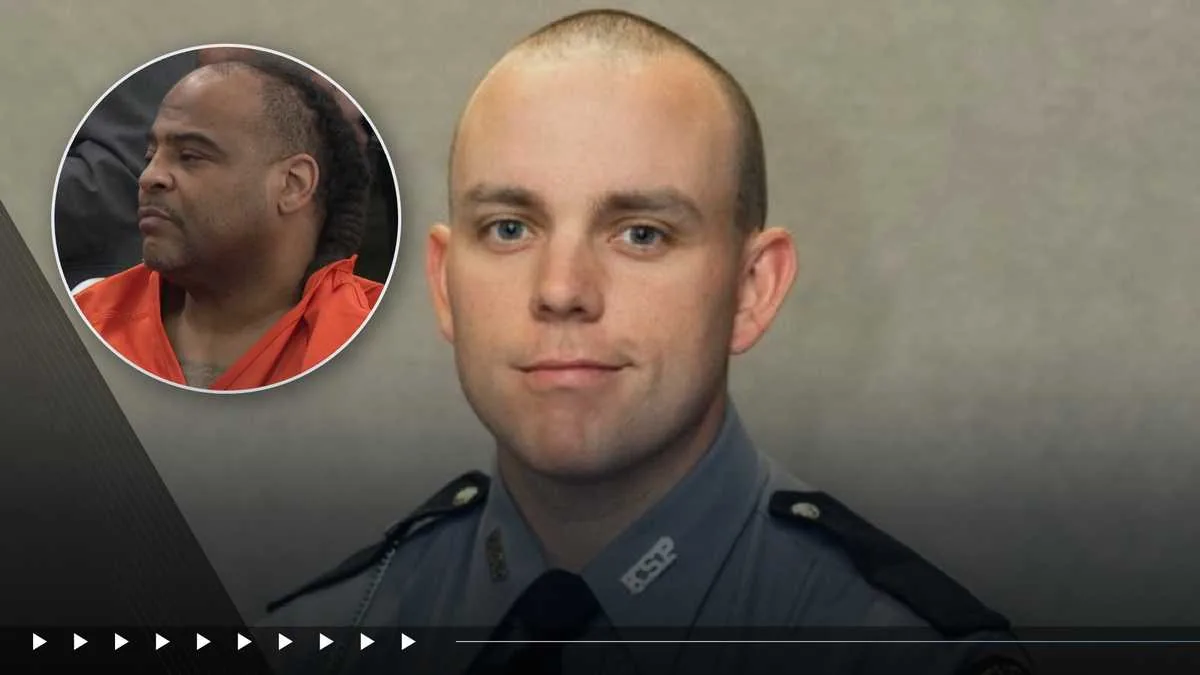
Del. Mike Griffith, a Republican who represents Harford and Cecil counties, was among the House lawmakers who pushed the bill. He said the goal was not simply to fill prisons, but to stop people from using forged leases as part of squatting schemes.
Griffith said the law could still matter a great deal for repeat offenders because felony charges can stack and become more serious over time. He described the measure as a way to create real consequences for conduct that had often frustrated owners and investigators.
The legislation passed with broad bipartisan support after months in which property disputes and alleged fake leases kept resurfacing. Lawmakers in Annapolis faced increasing pressure to respond as the stories spread beyond one county and became a statewide concern.
Spotlight on Maryland tracked squatting disputes for more than a year
Spotlight on Maryland said it had spent more than a year and a half examining cases in which owners struggled to remove people they said had no legal right to occupy their homes. Again and again, the existence of a lease became the key dispute.
In one Baltimore City case in the summer of 2025, a man accused of squatting confronted police from a third-story window and said he had a lease. The property had recently been renovated with government funding and was listed under a first-time homebuyer program.
Police later arrested that man on an unrelated outstanding warrant. The case showed how a claimed lease could complicate what otherwise might appear to be a straightforward trespass or unauthorized-occupancy complaint.
Why property owners turned to cash for keys
Owners interviewed by Spotlight on Maryland said they often felt stuck between a drawn-out legal fight and the need to get their homes back quickly. Some said the appearance of a lease, even a disputed one, slowed efforts to remove occupants.
One owner, Mike Haskell, described offering money to people occupying his house in June 2025 if they would leave by a set date. “We call that cash for keys,” he said.
Those kinds of arrangements reflect the pressure many owners say they face when unauthorized occupancy drags on. Even when police are involved, a claimed lease can make the process far more complicated than a simple eviction or trespass removal.
Could the Essex case change under the new law
The new Maryland law does not automatically turn every disputed occupancy into a crime. Investigators still have to show that someone intentionally used or created a counterfeit lease to defraud another person.
Griffith said he hoped the measure would prevent another situation like the Armor Court dispute, though he stopped short of promising that every future case would be resolved quickly. He said the increased threat of felony charges could change behavior and strengthen prosecutions.
The issue has now moved from a series of isolated disputes to a broader test of how Maryland handles alleged fake rental documents. For homeowners, the law offers a stronger criminal tool; for investigators, it adds a new path when a lease is part of the problem.
When the weather turns dangerous, SVH Snow is watching.