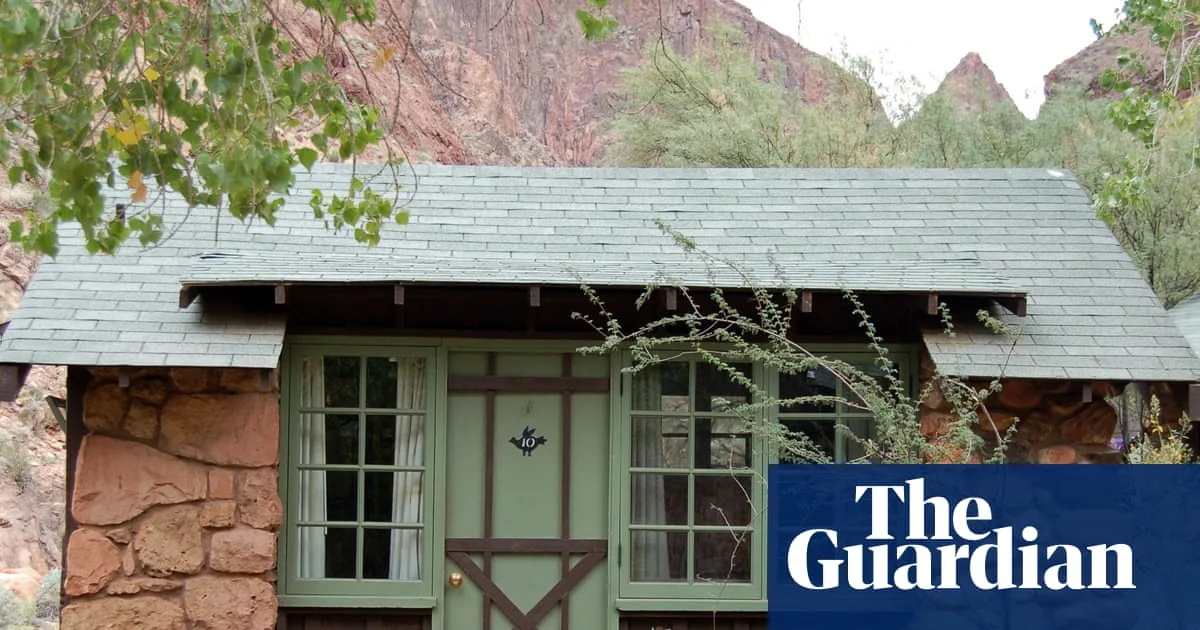
GRAND CANYON, AZ — A fast flash flood swept through Phantom Ranch on Saturday and left the remote Grand Canyon lodge facing an uncertain future. Two people were confirmed dead, nearly 80 others were rescued and one person was still unaccounted for after the water surged through Bright Angel Creek.
More than 60 people had to be airlifted from the ranch and from the bottom of the nearby North Kaibab Trail. Officials have not yet said how badly the lodge was damaged, but the flooding hit the only lodge at the bottom of the canyon in one of its most isolated areas.
How the flood turned dangerous
Bright Angel Creek normally runs through a rugged basin far below the South Rim, but heavy rain can make it deadly in a hurry. In the canyon, steep tributaries can fill quickly and send water racing toward the Colorado River, turning a narrow drainage into a flash-flood channel.
The National Park Service says flash flooding is a built-in hazard in the canyon. It had already warned in February that the Bright Angel Creek watershed faced an elevated chance of flash flooding and debris flows after the Dragon Bravo wildfire damaged parts of the North Rim last year.
The North Kaibab Trail, which drops about 14 miles from the North Rim to the canyon bottom, was among the places affected. The trail had been closed from July to March because of the wildfire-related damage before reopening.
Why Phantom Ranch matters
Phantom Ranch has long been more than a backcountry stop. Opened in 1922, the cabins became a famous resting place for hikers, mule riders and river travelers who reach the canyon floor after exhausting descents from the rim.
Its guest list has included royalty and political figures, among them Sweden’s future King Gustaf VI Adolf in 1926 and Robert F. Kennedy in 1967 after a Colorado River rafting trip. Theodore Roosevelt also camped near the site in 1913, helping tie the area to the canyon’s early national-park era.
For many visitors, the ranch marks the end of a grueling hike and the chance to rest beside the creek before the climb back out. That sense of refuge is part of its appeal, but the weekend flood showed how exposed the low-lying lodge remains to sudden weather swings.
What visitors should know now
The National Park Service has said the canyon’s flood risk can rise quickly, especially during storms and in watersheds already affected by fire. Travelers heading to the river corridor or the North Kaibab Trail should expect changing conditions and possible restrictions if debris flows or runoff threaten access.
The full impact on Phantom Ranch is still being assessed. For now, the main confirmed facts are the deaths, the evacuations and the missing person, along with the warning that the ranch sits in a place where heat, thirst and sudden floods can be more dangerous than the wildlife that usually gets the attention.
When the weather turns dangerous, SVH Snow is watching.