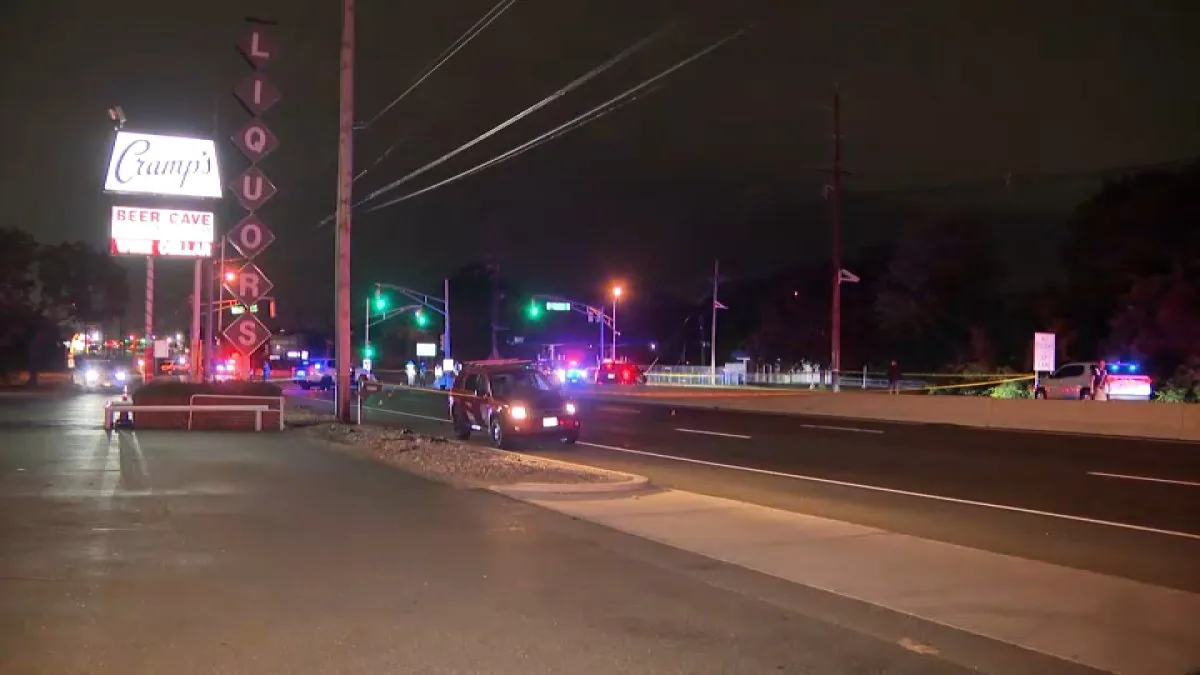
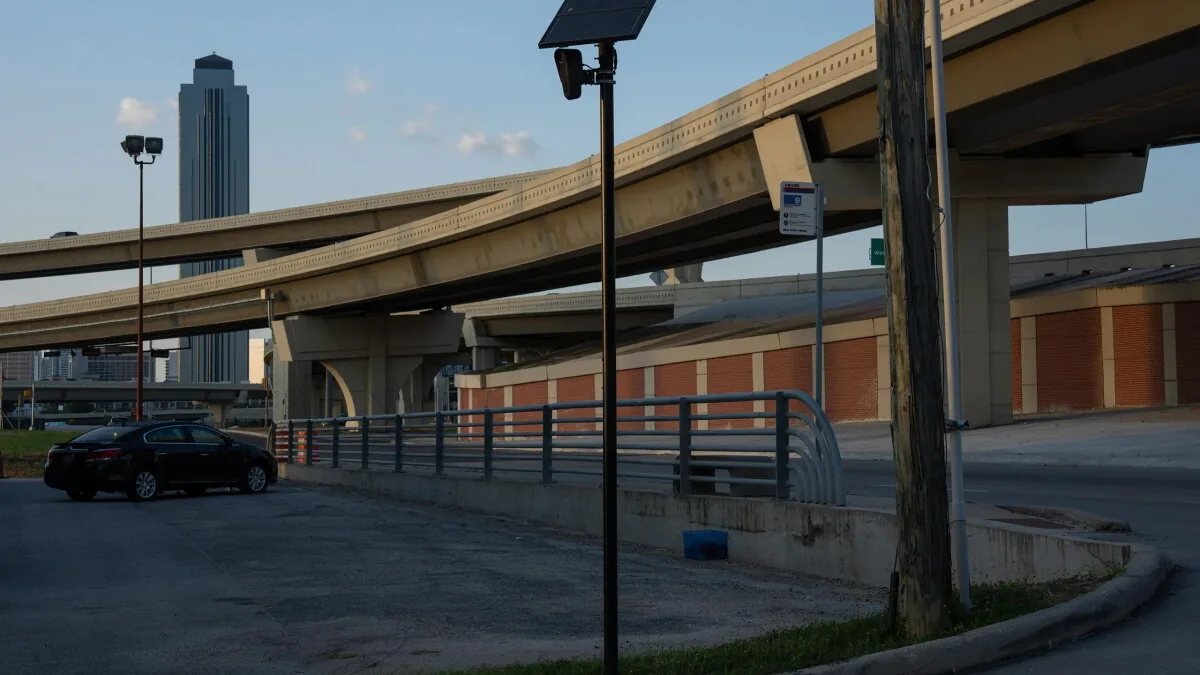
LAREDO, TX — Laredo is considering whether residents should weigh in on the city’s Flock camera network after state funding for the devices was cut off. City leaders voted 7-2 Monday night to place a nonbinding referendum on the May ballot, a move that would let voters advise whether the city should spend $1 million a year to keep 165 cameras operating.
The question comes as Texas cities, counties and law enforcement agencies face a new financial reality after Gov. Greg Abbott blocked state money from being used for roadside license plate readers. In Laredo, Mayor Victor Treviño said the pause changed the circumstances enough to warrant public input from the city’s 272,000 residents.
Texas agencies have already unplugged more than 900 cameras
At least 14 cities and counties have shut off more than 900 Flock cameras since the state funding was rescinded in late August, according to reporting from The Texas Tribune. More local governments are expected to decide in the coming weeks, and the choices are not all the same.
Larger cities such as Houston and Dallas have turned off cameras tied to grants while keeping other parts of their networks active. Others, including Plano, Robinson and Kendall County, have ended their Flock contracts altogether. The wide range of responses shows how quickly the funding freeze has forced local leaders to reassess contracts that had looked stable only weeks earlier.
Abbott’s freeze leaves local leaders waiting for answers
One of the biggest frustrations for city officials is the lack of clarity from Abbott’s office about how long the funding pause will last. Some leaders say that uncertainty makes it hard to decide whether to shut down cameras, keep them running or wait for more guidance.
Schertz Assistant Police Chief Phillip Waller said smaller departments are feeling the strain most sharply because they expected reimbursement for their license plate reader costs. In some places, he said, tens of thousands or even hundreds of thousands of dollars are now in limbo. Abbott has also directed the Texas Department of Transportation to pause installation of license plate readers along state roads.
Privacy advocates and police disagree over what the cameras do
Flock cameras and other AI-enhanced license plate readers have drawn criticism from privacy advocates, who say the systems scan passing vehicles and build databases that law enforcement agencies can access from across the country. The cameras collect plate numbers along with details such as a vehicle’s make, model, paint color, dents and bumper stickers.
Police departments argue that the technology helps identify suspects, find stolen vehicles and locate missing people. Critics counter that the systems can create a surveillance network and that the data has at times been misused through improper searches. The debate has intensified as more cities confront whether the benefits are worth the cost and the privacy trade-offs.
Laredo and other cities are revisiting contracts they once approved quietly
The funding fight has also pushed some cities to talk publicly about camera contracts that were previously approved with little discussion. Laredo City Council approved its first million-dollar Flock installment in 2024 without public debate, then approved a $5 million, five-year contract in January the same way.
Some cities that have changed course did so for reasons beyond money. Pflugerville and Hutto ended their agreements after learning how widely other agencies could access their data. In El Paso, the city council responded to earlier police actions by requiring future license plate reader contracts to be approved by council.
Laredo and Schertz show how the debate is playing out locally
In Laredo, Council member Tyler King questioned whether Abbott’s action might be temporary, saying he believed the funding block could be political and could change again depending on the governor’s future. That uncertainty has slowed decisions even in places where officials are not ready to remove the cameras immediately.
Schertz has taken a different path, using a council meeting on Sept. 15 to explain how the city uses the cameras. The council accepted a $309,000 vehicle authority grant, with about $100,000 meant for 41 Flock cameras before the freeze. Waller also stressed that police track vehicles, not people, and said misinformation online has clouded the public debate.
State grants, reimbursements and police access are all under scrutiny
The broader system behind the cameras has come under pressure as well. Abbott cut off the funding in August while The Texas Tribune was preparing an investigation into how the Motor Vehicle Crime Prevention Authority had sent at least $30 million to cities, counties and law enforcement agencies for more than 3,200 Flock cameras across Texas.
That support had been expected to continue into 2027, with $10.9 million earmarked for subscriptions for more than 2,600 cameras. In Laredo, the authority had fully covered installation costs for the city’s 165 cameras, according to a police department spokesperson. Some agencies have also tightened access after audits found unauthorized use, including a Texas Department of Public Safety review that reduced access after more than 2,800 agencies had repeatedly tapped into the network without the required agreements.
When the weather turns dangerous, SVH Snow is watching.